




A Pervasive Sense of Dread and Guilt
Excerpt from “The Publication of ‘Hiroshima’ in The New Yorker,” by Steve Rothman:
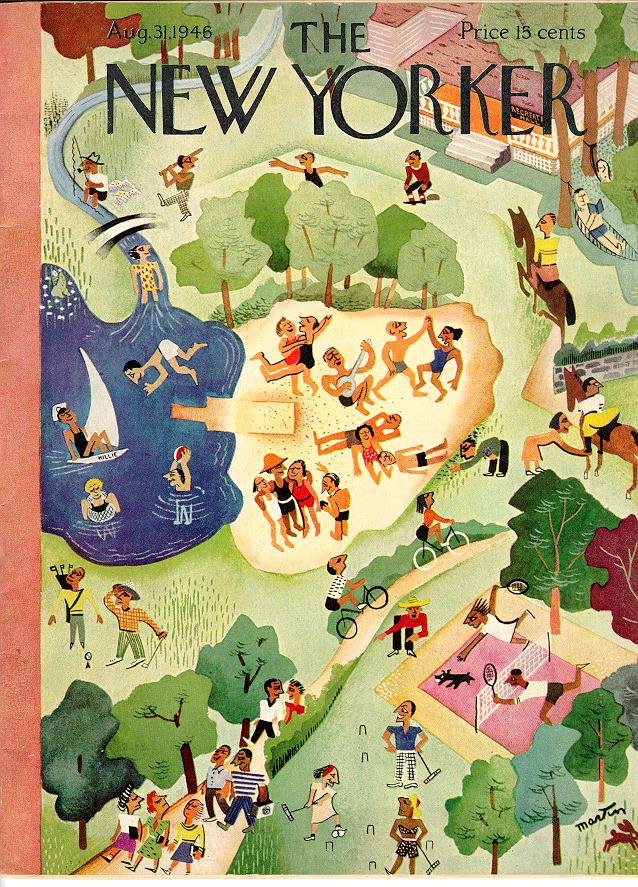
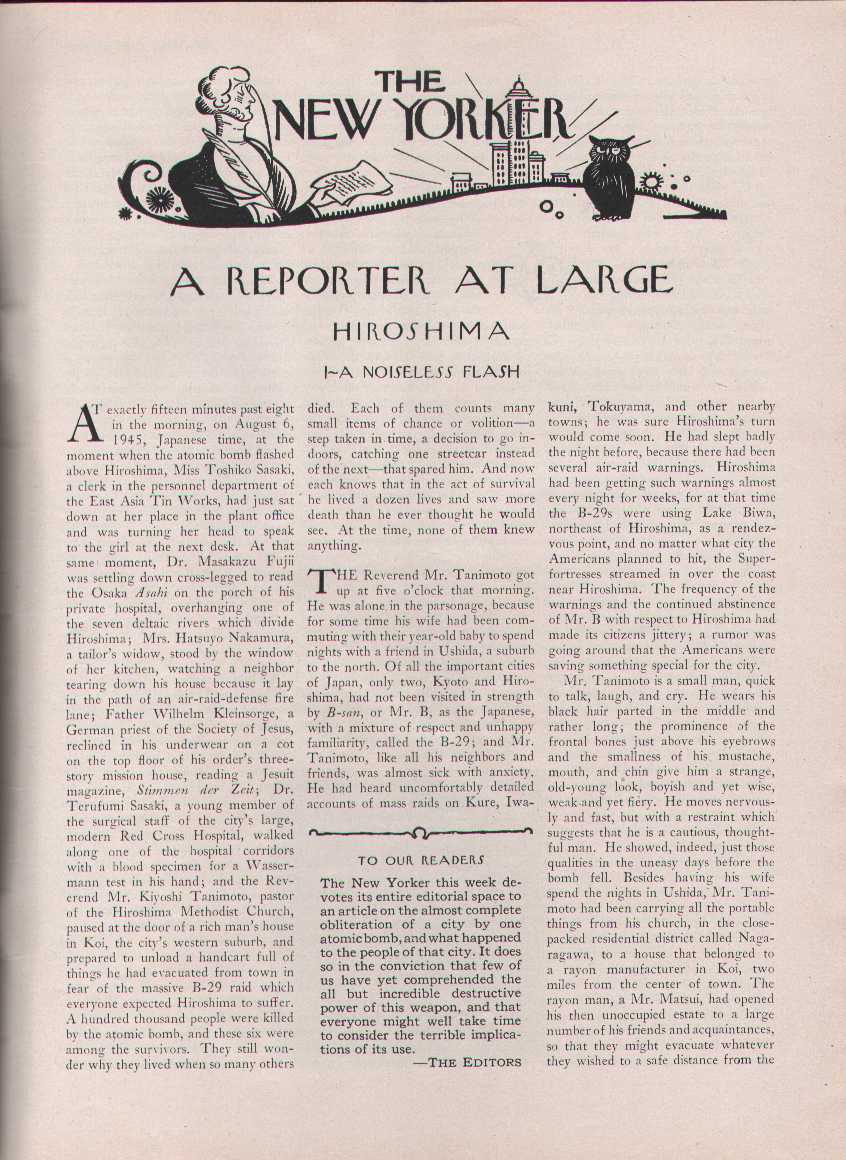
"Hiroshima" traced the experiences of six residents who survived the blast of August 6, 1945 at 8: 15 am. There was a personnel clerk, Miss Toshiko Sasaki; a physician, Dr. Masakazu Fujii; a tailor's widow with three small children, Mrs. Hatsuyo Nakamura; a German missionary priest, Father Wilhelm Kleinsorge; a young surgeon, Dr. Terufumi Sasaki; and a Methodist pastor, the Reverend Mr. Kiyoshi Tanimoto. The article told the story of their experiences, starting from when the six woke up that morning, to what they were doing the moment of the blast and the next few hours, continuing through the next several days and then ending with the situations of the six survivors several months later.
The article, written by John Hersey, created a blast of its own in the publishing world. The New Yorker sold out immediately, and requests for reprints poured in from all over the world. Following publication, "Hiroshima" was read on the radio in the United States and abroad. Other magazines reviewed the article and referred their readers to it. The Book-of-the-Month Club sent a copy of the article in book form to its entire membership as a free selection. Later that fall, "Hiroshima" was published as a book by Alfred A. Knopf and has remained in print ever since.
"Hiroshima" was not the first exposure that readers had to the events that took place on August 6. Many articles in the popular press described the destruction of the city, such as a Collier's story published in the spring of 1946 crammed full of details about the power of the atom bombs dropped on Hiroshima and Nagasaki ("at a distance of 4,200 feet—about eight tenths of a mile—the pressure was 2,160 pounds a square foot") and anecdotes about the horrific effects of nuclear weapons on human beings ("Men in black-striped shirts were burned in strips. Heat stenciled dress figures onto the bodies of women."). Collier's also included an artist's rendition of the effect of a nuclear blast on downtown Manhattan. But most of these stories steered clear of details that would help readers identify with the dead or the survivors. Usually, "the statistics of devastation and death were simply recited as prefatory to a plea for international control, civil defense, or some other cause. On a canvas whose broadbrush background scenes were already familiar, Hersey etched several vividly realized foreground figures.”
The direct effect of "Hiroshima" on the American public is difficult to gauge. No mass movement formed as a result of the article, no laws were passed, and reaction to the piece probably didn't have any specific impact on U.S. military strategy or foreign policy. But certainly the vivid depictions in the book must have been a strong contributor to a pervasive sense of dread (and guilt) about nuclear weaponry felt by many Americans ever since August 1945.
- Related information from Steve Rothman
- Complete New Yorker article available online (subscription required)
- Hiroshima by John Hersey (Amazon.com)


