From “Living Singles,” by Virginia Heffernan, New York Times Sunday Magazine, Feb. 27, 2011:
The market for narrative nonfiction shrank not because people got dumber or lost their attention spans; narrative nonfiction, like so many 20th-century forms, fell on hard times when the Web came along, and readers stopped paying for content…
 …When the iPhone first appeared, followed by the Kindle and then the iPad, it became clear that e-books and apps provided a way to siphon the resources of the Internet to individuals, who could now sample that energy without having to be vulnerable to the Web’s commercialism. That was an enormous breakthrough. Anyone who’s honest with herself knows that the Web stopped being a great place for consumers of culture a year or two ago. You think you’re reading the Web these days, but it’s reading you — gathering data on you, trying to sell you stuff, pushing you to other links. On the Web, reading is shopping. And sometimes you don’t want to shop.
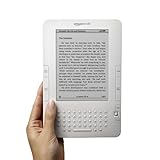
 The Kindle in particular brought me the first moment of peace from Web noise that I’d had in a long time. True, I thought I loved the Web noise when the only alternative was to recede into analog culture — but I have adored the silence I’ve found on the Kindle.
I never thought I’d back off the Web, but I have. The once-glorious freedom of the Web was not free. Its price is a bone-deep commercialism that cannot yet be circumvented. For convenience, comprehensiveness and social life, I still visit, but now I see these visits as at least as risky and irritating as they are liberating and exhilarating.
Read the whole essay here…
PS I’ve really enjoyed this column and am sad to see it go. Visit ArtsBeat to keep an eye on Virginia Heffernan’s eyewitness traffic reports from the intersection of media and technology.